Wisdom teeth can be a real pain—literally and figuratively. Nestled at the back of your mouth, these molars often make their debut in late adolescence or early adulthood, bringing both excitement and anxiety. For many, this means facing the possibility of wisdom teeth removal in Mount Pleasant. The thought of surgery can feel daunting, especially with concerns about pain looming large. But what if we told you that understanding the process could ease those worries?
Whether you’re considering extraction or just curious about what to expect, let’s dive into everything you need to know about wisdom tooth removal and how it can lead to some much-needed relief from discomfort!
What are Wisdom Teeth?
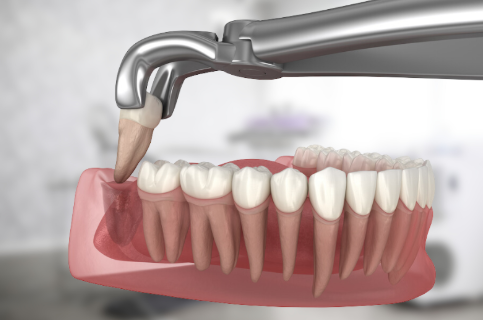
Wisdom teeth, also known as third molars, typically emerge in late adolescence or early adulthood. Most people have four of these teeth, two on the top and two on the bottom.
Historically, they served a purpose for our ancestors who had a tougher diet consisting of raw plants and meats. Their extra chewing power was beneficial for grinding down food.
However, modern diets have evolved significantly, making wisdom teeth less necessary. In fact, many people’s jaws don’t have enough space to accommodate them comfortably.
As a result, these molars often become impacted or misaligned. This can lead to discomfort and other dental issues over time if left untreated.
Understanding what wisdom teeth are is crucial in recognizing when removal might be necessary to maintain oral health.
Why is Wisdom Teeth Removal Necessary?
Wisdom teeth, also known as third molars, typically emerge in late adolescence or early adulthood. For many, this growth can lead to complications.
One key reason for removal is overcrowding. As these teeth push through the gums, they may disrupt the alignment of existing teeth. This can result in misalignment and bite issues.
Another concern is impaction. When wisdom teeth don’t have enough space to grow properly, they become trapped beneath the gum line. This condition often leads to pain and infection.
Additionally, maintaining oral hygiene becomes challenging with new molars at odd angles. It increases the risk of cavities and gum disease.
Regular dental check-ups help monitor their development. If problems arise, timely extraction becomes essential for long-term dental health and comfort.
Pain Factor: How Painful is Wisdom Teeth Removal?
The pain associated with wisdom teeth removal can vary widely among individuals. For some, the experience is relatively mild, while others may find it more challenging.
During the procedure, anesthesia minimizes discomfort significantly. Most patients report feeling pressure rather than pain as the dentist works on removing the teeth. Afterward, however, some soreness and swelling are common.
Pain levels typically peak within 24 to 48 hours post-surgery. This is when most people seek wisdom tooth pain relief through prescribed medications or over-the-counter options.
Ice packs can also help manage swelling and dull any throbbing sensations in those first few days. It’s vital to follow your dental clinic’s aftercare instructions closely for a smoother recovery process.
Listening to your body will guide you in managing discomfort effectively during this healing phase.
Pre and Post-Procedure Care Tips
Preparing for wisdom teeth removal involves a few important steps. Before your procedure, ensure you have someone to drive you home afterward. Arrange for a couple of days off work or school to facilitate recovery.
On the day of the surgery, stick to soft foods and avoid any heavy meals. Stay hydrated but refrain from drinking through straws for at least 24 hours post-surgery, as suction can dislodge blood clots.
After your extraction, apply ice packs on your cheeks to minimize swelling. Pain medications prescribed by your dentist should be taken as directed for effective relief.
Maintain good oral hygiene by gently rinsing with saltwater after 24 hours. Avoid brushing directly over the surgical sites initially but continue caring for other areas in your mouth. Monitoring any unusual symptoms is crucial; don’t hesitate to contact Bull Creek Dental if something feels off during recovery.
Enquire now at Bull Creek Dental and get expert advice on whether wisdom teeth removal is right for you.
Common Side Effects of Wisdom Teeth Removal
After wisdom teeth removal, patients may experience several side effects. Swelling is one of the most common reactions, often peaking around 48 hours post-surgery. Ice packs can help manage this discomfort.
Bleeding is another possibility. It’s normal to have slight bleeding for a few hours after the procedure. However, if it persists or becomes heavy, it’s important to contact your dental clinic in Mount Pleasant.
Some individuals report pain at the surgical site as anesthesia wears off. Over-the-counter pain relief or prescribed medication typically alleviates this issue effectively.
A stiff jaw might also occur during recovery. This can make eating and talking uncomfortable for a short time but usually resolves on its own.
There’s a chance of developing dry socket—a painful condition when blood clots fail to form properly in the extraction site. Following post-operative care tips helps minimize these risks significantly.
Alternative Options for Wisdom Teeth Management
For those hesitant about surgery, there are alternative options for wisdom teeth management. Regular dental check-ups can help monitor their growth and potential issues.
Orthodontics is another route. Braces or aligners may create space, reducing the chances of impaction. This non-invasive approach can sometimes eliminate the need for extraction altogether.
Some patients explore natural remedies to ease discomfort associated with wisdom tooth pain. Herbal treatments like clove oil or warm saltwater rinses might provide temporary relief without resorting to surgery.
In rare cases, a dentist could recommend maintaining your wisdom teeth if they do not cause problems. A proactive strategy includes good oral hygiene practices and regular visits to your dental clinic in Mount Pleasant.
These alternatives require careful consideration and professional guidance. Always consult with your dentist before making decisions regarding your oral health to find what’s best for you.
FAQ’S
How long does recovery take?
Most patients feel better within a few days, but complete healing might take a couple of weeks.
Is it safe to remove wisdom teeth?
Yes, when performed by an experienced dental professional, wisdom teeth removal is generally safe and effective.
What can I eat after the procedure?
It’s best to stick to soft foods like yogurt or mashed potatoes initially. Avoid anything crunchy or hard that could irritate the extraction sites.
Will I need someone to drive me home?
Yes, due to anesthesia effects, having a friend or family member accompany you is essential for safety.
Are there risks involved with the surgery?
Like any surgical procedure, there are potential risks such as infection or dry socket. Discuss these with your dentist beforehand at your local dental clinic in Mount Pleasant.
Conclusion
Wisdom teeth removal is a common procedure that many people undergo, especially in Mount Pleasant. Understanding what wisdom teeth are and why their extraction may be necessary can greatly ease concerns surrounding the process. While some discomfort is inevitable during recovery, effective pain relief options exist to ensure your comfort.
Proper pre- and post-operative care is essential for a smooth healing journey. Following guidelines provided by your dental clinic in Mount Pleasant will help mitigate side effects and speed up recovery time.
For those hesitant about surgery, exploring alternative options for managing wisdom tooth issues might provide reassurance. Consulting with professionals at trusted facilities like Bull Creek Dental can guide you through these choices.
Call us today at Bull Creek Dental to speak with our team about safe and comfortable wisdom teeth removal in Mount Pleasant.
Read More
What Is The Difference Between A Cosmetic Dentist And A Regular Dentist?
How Long Does A Teeth Whitening Last?
What Does A Dental Check-Up Include?
Emergency Dentist in Rossmoyne: What to Do When You Need Immediate Care?
Children’s Dental Care: Tips for Parents in Willetton
What Makes a Dental Clinic the Best Choice for Dental Care?