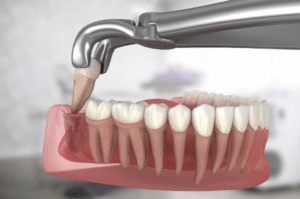
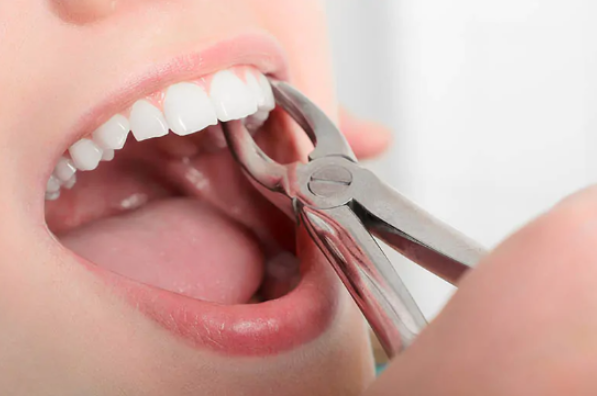
A dental extraction is never something people look forward to, but sometimes it’s the best choice to protect your oral health. Whether the cause is severe decay, infection, trauma or overcrowding, a dental extraction Applecross can relieve pain and prevent further complications. But once a tooth is removed, another important question arises — what comes next?
Replacing a missing tooth is essential not just for appearance but also for chewing, speech and overall oral health. At Bull Creek Dental, we help patients explore the right tooth replacement Applecross solutions based on their needs, lifestyle and long-term goals.
If you’ve had a recent tooth removal in Applecross or have one coming up, this guide will help you understand your best replacement options. For personalised advice, feel free to book your appointment today or call 08 9332 3608.
Why Replacing a Missing Tooth Matters
Many people assume that losing just one tooth won’t affect their mouth — but the opposite is true. After an extraction, the surrounding teeth begin to shift into the empty space, causing:
- Crooked or misaligned teeth
- Difficulty chewing
- Speech changes
- Increased wear on remaining teeth
- Bone loss in the jaw
- Higher risk of gum disease
Replacing a missing tooth protects the rest of your smile and stops future problems before they begin.
Your Tooth Replacement Options After Extraction
Every smile is unique, so your dentist will help you choose the best replacement option based on your dental health, bone structure and budget. Here are the most common and effective options available.
1. Dental Implants
Dental implants in Applecross are considered the gold standard for tooth replacement. An implant replaces the missing tooth root, topped with a natural-looking crown that blends seamlessly with your smile.
Why patients love implants:
- They look and feel like natural teeth
- They prevent bone loss
- They last many years with proper care
- They don’t affect neighbouring teeth
- They restore chewing strength
Implants are a long-term solution and ideal for patients wanting the most durable, natural result.
2. Dental Bridges
A dental bridge replaces one or more missing teeth by connecting a false tooth between healthy neighbouring teeth.
Benefits of dental bridges Applecross:
- Fixed and non-removable
- Natural appearance
- Quicker treatment time
- More affordable than implants
Bridges are a great option if the surrounding teeth need crowns or additional support.
3. Dentures
Modern dentures in Applecross are more comfortable and natural-looking than ever before. Depending on your needs, you may choose:
- Full dentures (replacing all teeth in the arch)
- Partial dentures (replacing several missing teeth)
Why dentures might be right for you:
- Affordable and quick to make
- Suitable for multiple missing teeth
- Easy to maintain
While dentures may not feel as secure as implants or bridges, they remain a reliable option for many patients.
4. Immediate Temporary Options
After a tooth removal in Applecross, your dentist may offer temporary replacements such as:
- Temporary dentures (flippers)
- Temporary bridges
These options protect your smile while you wait for a long-term solution such as implants or permanent bridges.
5. Leaving the Space Empty (Not Recommended)
Technically, you can leave a gap after an extraction — but it’s rarely a good idea.
Doing nothing can lead to:
- Shifting teeth
- Bite problems
- Bone shrinking in the jaw
- Gum problems
- Difficulty chewing
Replacing a missing tooth early gives you the best long-term outcome.
Post-Extraction Care Applecross: How to Protect Your Mouth
Proper post-extraction care in Applecross helps your mouth heal quickly and reduces the risk of complications.
Essential after-care tips:
- Bite on gauze to stop bleeding
- Avoid smoking for at least 48 hours
- Stick to soft foods for 24–48 hours
- Avoid drinking through a straw
- Rinse gently with warm salt water
- Take medications as prescribed
Your dentist will give you detailed instructions tailored to your treatment.
If something doesn’t feel right after your extraction, call 08 9332 3608 or book your appointment today for immediate support.
Conclusion
A dental extraction doesn’t have to leave a long-term gap in your smile. With modern dentistry, you have multiple reliable options to restore function, confidence and oral health. Whether you choose dental implants, bridges or dentures, replacing your missing tooth early helps keep the rest of your smile healthy.
At Bull Creek Dental, we specialise in personalised tooth replacement solutions that look natural and feel comfortable. Our team is here to guide you through every step — from extraction to long-lasting restoration.
Take the next step toward a complete smile by booking your appointment today or calling 08 9332 3608.
FAQs
1. How long does healing take after a dental extraction?
Most patients heal within 1–2 weeks. Full bone healing can take a few months, especially before getting an implant.
2. When can I replace my tooth after extraction?
Some options, like temporary dentures, can be placed immediately. Implants usually require 8–12 weeks of healing before placement.
3. Are dental implants painful?
The procedure is gentle and performed with anaesthesia. Most patients report only mild discomfort in the days following surgery.
4. Are dentures comfortable to wear?
Modern dentures fit securely and comfortably, but adjustments may be needed to get the perfect fit.
5. Which tooth replacement option is most durable?
Dental implants are the strongest and longest-lasting solution, often lasting decades with proper care.
Ready to Restore Your Smile?
- Replace missing teeth with natural-looking solutions
- Protect your oral health with long-lasting restoration options
- Start now — book your appointment today or call 08 9332 3608